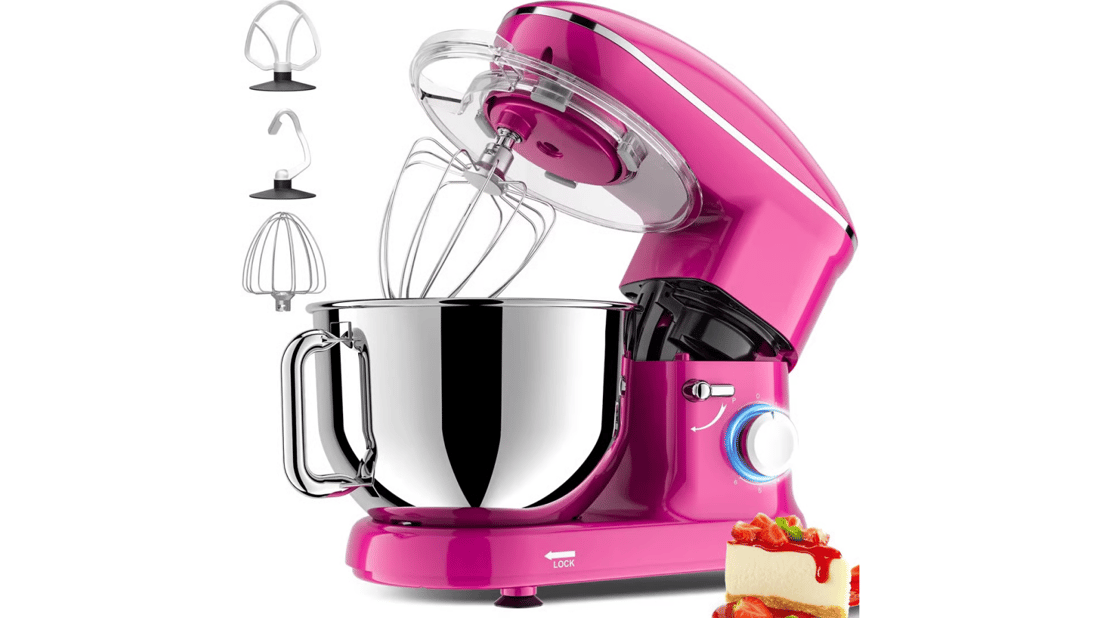
Understanding Kitchen mixers: An Essential Kitchen Tool
Kitchen mixers are versatile appliances designed to streamline food preparation tasks. From mixing dough to whipping cream, these devices save time and effort in the kitchen. Available in various types, kitchen mixers cater to different cooking needs and skill levels, making them an indispensable asset for home cooks and professionals alike.
Types of Kitchen Mixers: Stand Mixers vs. Hand Mixers
There are primarily two types of kitchen mixers: stand mixers and hand mixers. Stand mixers offer power and stability for heavy-duty mixing, featuring multiple attachments. In contrast, hand mixers provide portability and convenience for lighter tasks. Understanding these differences helps buyers choose the best kitchen mixer for their culinary needs.
Power and Motor Strength: Key Considerations
Motor strength is crucial when selecting kitchen mixers, as it directly affects performance. A powerful motor ensures efficient mixing of dense doughs and thick batters without overheating. Kitchen mixers with motors ranging from 250 to 1000 watts are common, with higher wattage models suited for professional use or large batches.
Attachments and Accessories: Enhancing Kitchen Mixer Functionality
Modern kitchen mixers come with a variety of attachments including beaters, dough hooks, and whisk attachments. Some models offer additional accessories like pasta makers or meat grinders, expanding their utility. Choosing kitchen mixers with versatile attachments allows users to perform multiple tasks with one appliance.
Capacity and Bowl Size: Matching Kitchen Mixers to Your Needs
The capacity of the mixing bowl is an important factor when considering kitchen mixers. Smaller bowls around 3 to 4 quarts are ideal for everyday cooking, while larger bowls up to 7 quarts accommodate bigger batches and baking projects. Selecting the right bowl size ensures efficient mixing and prevents spillage.
Material and Build Quality: Durability of Kitchen Mixers
Durability is a significant aspect that reflects the quality of kitchen mixers. Models built with metal components generally offer greater sturdiness compared to plastic counterparts. Stainless steel bowls are preferred for their longevity and ease of cleaning, enhancing the overall user experience.
Speed Settings and Controls: Precision in Mixing
Kitchen mixers usually provide multiple speed settings to regulate mixing intensity. Adjustable speed controls allow users to customize mixing according to different recipes, from gentle folding to high-speed whipping. Advanced digital displays on some kitchen mixers provide timers and speed indicators for added precision.
Ease of Cleaning and Maintenance Tips
Cleaning kitchen mixers can be simplified by opting for models with detachable parts that are dishwasher-safe. Smooth surfaces and stainless steel bowls also facilitate easy maintenance. Regular cleaning and proper storage prolong the lifespan of kitchen mixers, maintaining hygiene and performance.
Energy Efficiency and Noise Levels
Energy efficiency is a growing concern for many consumers when purchasing kitchen mixers. Modern appliances are designed to consume less power without compromising performance. Additionally, quieter operation is desirable; kitchen mixers with noise-reducing technologies enhance comfort during use.
Price Range and Budget-Friendly Options
Kitchen mixers vary widely in price, from affordable hand mixers to premium stand mixers costing several hundred dollars. Budget-friendly kitchen mixers still offer reliable performance for everyday cooking, while high-end models provide advanced features and durability. Understanding budget considerations helps buyers make informed choices.
Quote Inquiry
contact us