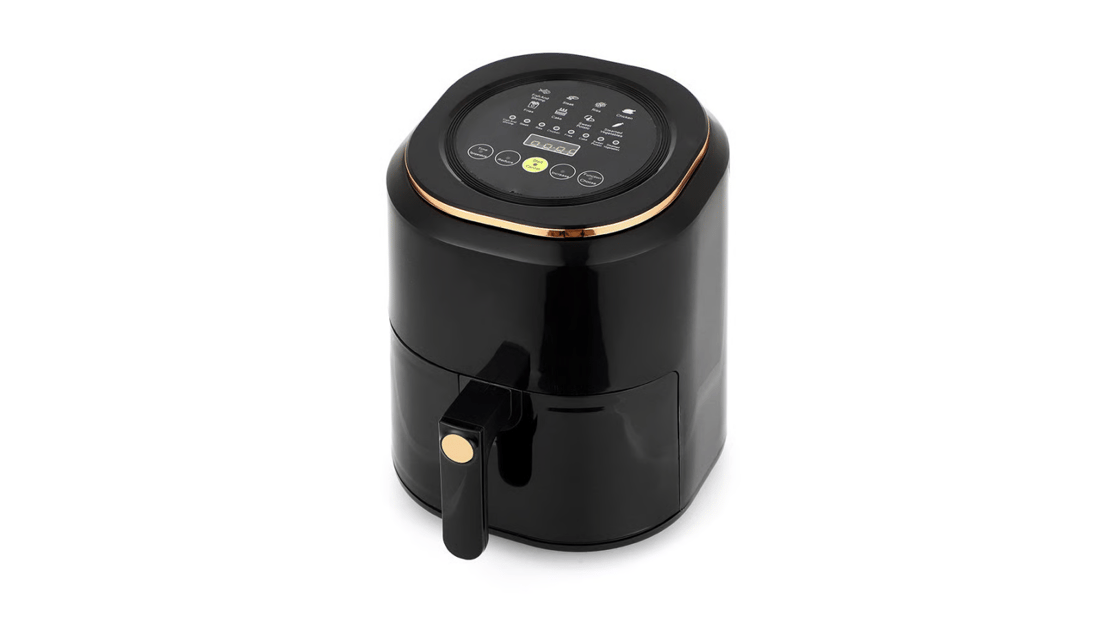
Kitchen air fryers are innovative cooking appliances designed to fry foods with minimal oil, using hot air circulation technology. They are gaining popularity for providing a healthier alternative to traditional deep frying, allowing users to prepare crispy, tasty dishes without excessive fat. By combining rapid air circulation with a heating element, kitchen air fryers ensure even cooking and reduced fat content in meals.
Health Benefits of Using Kitchen Air Fryers
One of the primary reasons kitchen air fryers are so widely embraced is their impact on health. These appliances drastically reduce the amount of oil needed to cook food, cutting down calories and unhealthy fats. This makes it easier to enjoy favorite fried foods while maintaining a balanced diet and lowering risks associated with high fat intake, such as cardiovascular disease and obesity.
Energy Efficiency and Cost Savings
Kitchen air fryers are generally more energy-efficient compared to traditional ovens or deep fryers. Because they cook food quickly and require less preheating time, these devices can reduce electricity consumption, helping households save on utility bills. Additionally, using less oil not only improves health but also lowers recurring costs related to purchasing cooking oils.
Versatility in Cooking Options
Beyond frying, kitchen air fryers offer versatility; they can bake, grill, roast, and even reheat leftovers. This multifunctionality makes them a valuable addition to any kitchen, especially in homes with limited space where multiple appliances may not be practical. From crispy fries to roasted vegetables and even baked desserts, air fryers cater to diverse culinary preferences.
Ease of Use and Convenience
Kitchen air fryers are praised for their user-friendly design. Most models include digital controls, preset cooking programs, and timers, making it easy for users to achieve consistent results. The compact size and fast cooking times simplify meal preparation, fitting well into busy lifestyles where convenience is key.
Impact on Taste and Texture of Food
Many consumers wonder whether kitchen air fryers can replicate the taste and texture of traditional frying. Air fryers excel at producing a crispy exterior while keeping the interior moist and tender. The hot air circulation mimics the effect of deep frying but with less oil, resulting in meals that satisfy cravings for crunchiness without the heaviness.
Cleaning and Maintenance of Kitchen Air Fryers
Maintaining kitchen air fryers is straightforward. Most cooking baskets and trays are removable and dishwasher-safe, which saves time and effort. Regular cleaning prevents buildup of grease and food particles, ensuring the appliance remains hygienic and operates efficiently for years.
Popular Kitchen Air Fryer Models and Features
The market offers a wide range of kitchen air fryers, each with unique features. Some top-tier models include accessories like multi-layer racks, rotating baskets, or dehydrator functions. When choosing an air fryer, it’s important to consider size, wattage, programmable settings, and additional capabilities tailored to specific cooking needs.
Space-Saving Benefits for Small Kitchens
Kitchen air fryers are particularly valuable in apartments and smaller homes where kitchen space is limited. Their compact footprint and multifunctional capabilities reduce the need for multiple bulky appliances. This makes them ideal for urban living, dorm rooms, or any setting where countertop real estate is precious.
Environmental Impact and Sustainability Considerations
Using kitchen air fryers can contribute to a more sustainable lifestyle. By minimizing oil use, less cooking oil waste is generated. Additionally, their energy-efficient cooking reduces overall electricity consumption compared to conventional ovens. Selecting durable models extends appliance lifespan, further decreasing environmental impact through reduced electronic waste.
Quote Inquiry
contact us