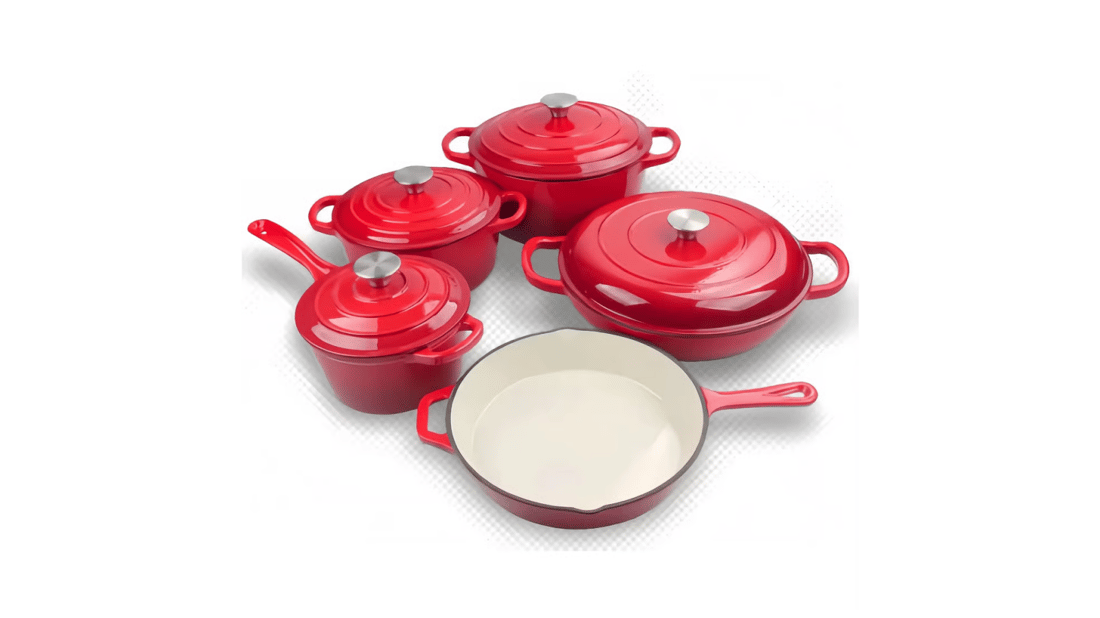
Understanding the Importance of Non Toxic Kitchen Tools
Choosing
non toxic kitchen tools for everyday use is essential for maintaining a healthy home environment. Conventional kitchen utensils and cookware may contain harmful chemicals such as BPA, lead, and phthalates that can leach into food during preparation and cooking. Prioritizing non toxic alternatives helps reduce exposure to these toxins and promotes overall well-being.
Materials That Define Non Toxic Kitchen Tools
Non toxic kitchen tools are often crafted from materials like stainless steel, silicone, bamboo, and ceramic. These materials are free from harmful additives, heat-resistant, and durable. For example, high-grade silicone spoons and spatulas withstand high temperatures without melting or releasing toxins, making them perfect for everyday use.
Benefits of Using Non Toxic Kitchen Tools Every Day
Using non toxic kitchen tools for everyday use can significantly improve food safety and taste. When chemicals from toxic tools do not leach into meals, food retains its natural flavor and nutritional value. Additionally, non toxic tools tend to be more environmentally friendly, helping to reduce plastic pollution and supporting sustainable living.
Common Toxic Elements to Avoid in Kitchen Tools
Many traditional kitchen tools contain hazardous elements such as lead, cadmium, BPA, and PTFE coatings. Lead and cadmium pose serious health risks, including neurological damage, while BPA disrupts hormone functions. Tools with non-stick coatings like Teflon can degrade at high heat and release toxic fumes, making non toxic alternatives critical.
How to Identify Truly Non Toxic Kitchen Tools
Identifying authentic non toxic kitchen tools requires examining product labels and certifications. Look for FDA-approved materials, food-grade silicone, sustainably sourced bamboo, and ceramic products free from heavy metals. Certifications such as LFGB (German food safety) or GreenGuard can also indicate safe kitchenware for everyday use.
Safe Cleaning Practices for Non Toxic Kitchen Tools
Non toxic kitchen tools need proper care to maintain their safety and longevity. Avoid harsh chemicals or abrasive scrubbers that can damage surfaces and release toxins. Most non toxic utensils are dishwasher safe, but handwashing with mild soap and warm water also preserves the integrity of materials like bamboo and silicone.
Non Toxic Kitchen Tools and Environmental Impact
Choosing non toxic kitchen tools for everyday use contributes to environmental sustainability. Tools made from biodegradable bamboo or recyclable stainless steel reduce landfill waste compared to plastic utensils. By reducing reliance on disposable and toxic kitchen items, consumers help conserve natural resources and minimize pollution.
Top Non Toxic Kitchen Tools to Include in Your Kitchen
Essential non toxic kitchen tools for everyday use include stainless steel knives, bamboo cutting boards, silicone spatulas, ceramic mixing bowls, and wooden spoons. These items are safe for food contact, durable, and versatile for various cooking tasks. Investing in high-quality tools ensures safe meal preparation over the long term.
Health Risks Reduced by Using Non Toxic Tools
Replacing toxic kitchen utensils with non toxic alternatives helps prevent chronic health issues related to chemical exposure such as hormone disruption, allergies, and even cancer. Using non toxic kitchen tools for everyday use minimizes the risk of ingesting harmful substances, safeguarding family health and reducing long-term medical concerns.
Future Trends in Non Toxic Kitchen Tools
The demand for non toxic kitchen tools for everyday use is driving innovation toward smart materials and zero-waste designs. Biodegradable utensils, non toxic non-stick coatings, and multifunctional kitchen gadgets that reduce clutter are gaining popularity. These trends prioritize health, convenience, and environmental responsibility, shaping the future of safe cooking products.
Quote Inquiry
contact us