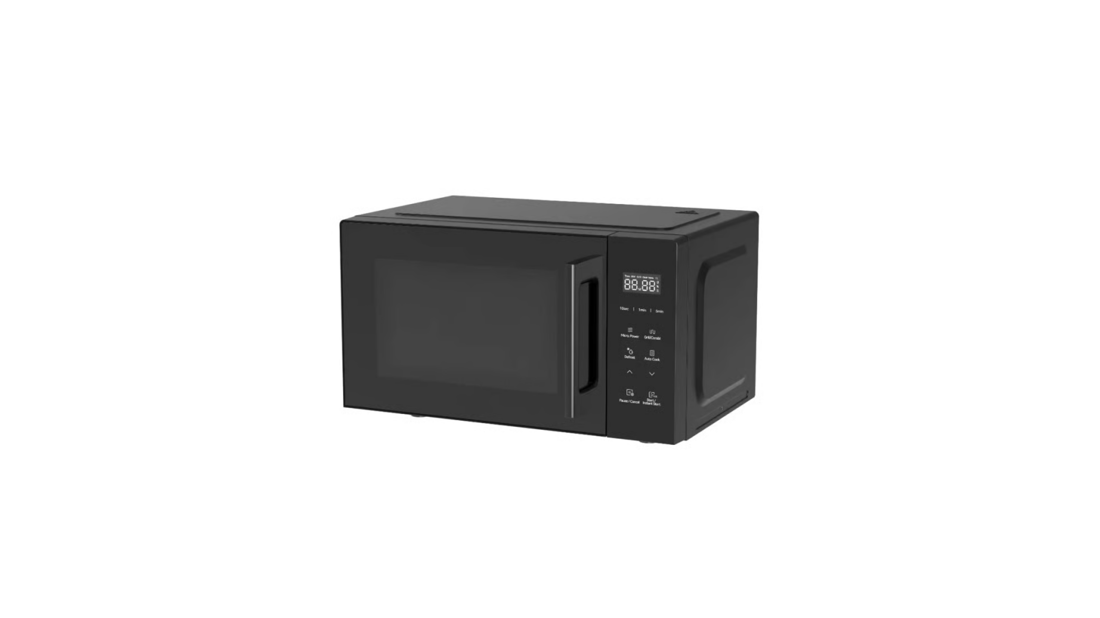
Smart kitchen appliances are transforming the way households approach cooking, food storage, and kitchen management. These innovative devices integrate advanced technology and connectivity, allowing users to optimize efficiency, convenience, and safety. From Wi-Fi-enabled refrigerators to app-controlled ovens, smart kitchen appliances offer a blend of automation and intelligent functionality that elevates everyday cooking experiences.
Enhancing Convenience through Connectivity
One of the key advantages smart kitchen appliances provide is seamless connectivity. Equipped with Wi-Fi or Bluetooth, these appliances communicate with smartphones, tablets, or home assistants. This connected framework enables users to control settings remotely, receive alerts, and monitor cooking progress from anywhere, simplifying multitasking and enhancing time management in the kitchen.
Energy Efficiency and Sustainability Features
Smart kitchen appliances are engineered with energy-saving features that reduce electricity consumption. Through sensors and adaptive performance settings, devices optimize power usage based on cooking needs or food storage conditions. This eco-conscious approach not only cuts utility bills but also aligns with environmentally sustainable living practices, reflecting responsible consumer behavior.
Advanced Cooking Precision and Customization
Precision cooking is elevated through smart technology, where appliances adjust temperature, cooking modes, and timings automatically. Devices like smart ovens and induction cooktops offer customizable presets and recipe integration, ensuring consistent results. This accuracy benefits novice and seasoned cooks alike by reducing errors and enhancing culinary outcomes.
Integration with Voice Assistants
Many smart kitchen appliances now support voice command functionality through platforms like Amazon Alexa, Google Assistant, or Apple Siri. Voice integration provides hands-free control that adds speed and ease to kitchen tasks. Users can preheat ovens, set timers, or adjust lighting by simple verbal commands, making meal preparation more interactive and accessible.
Smart Refrigeration and Food Management
Smart refrigerators incorporate cameras, inventory tracking, and expiration notifications to help users manage food supplies efficiently. These systems minimize waste by alerting owners when items are running low or nearing spoilage. Some models even suggest recipes based on available ingredients, combining convenience with cost-saving benefits.
Safety Enhancements with Smart Technology
Safety is a critical aspect of smart kitchen appliances. Features such as automatic shut-off, child lock settings, and remote monitoring reduce the risk of accidents. Alerts for unusual appliance behavior, gas leaks, or smoke detection further contribute to creating a secure cooking environment and provide peace of mind for homeowners.
Streamlining Cleaning and Maintenance
Smart devices often include self-cleaning modes or maintenance reminders that simplify upkeep. For instance, ovens with self-clean cycles or dishwashers that notify users when detergent is low or filters need replacement reduce the manual effort involved in kitchen maintenance. This automation helps prolong appliance lifespan and ensures optimal performance.
Smart Kitchen Appliances for Nutritional Monitoring
Emerging smart kitchen appliances feature nutrition tracking functions, enabling users to monitor calorie content and dietary information in real-time. Connected scales, smart blenders, and even coffee machines offer personalized nutrition data, supporting health-conscious lifestyles and enabling informed dietary choices in daily meal preparation.
Cost Considerations and Investment Value
While smart kitchen appliances often require a higher initial investment compared to traditional models, the long-term benefits in energy savings, convenience, and maintenance can offset upfront costs. Additionally, integration with smart home ecosystems can increase property value, making these devices a worthwhile consideration for modern homeowners prioritizing technology-driven living.
Future Trends in Smart Kitchen Appliances
The future of smart kitchen appliances points to increased artificial intelligence integration, enhanced user personalization, and broader interoperability among household devices. Innovations such as robotic cooking assistants, predictive grocery ordering, and augmented reality recipe guidance are expected to further revolutionize the kitchen space, continuing to enhance functionality and user experience.
Quote Inquiry
contact us