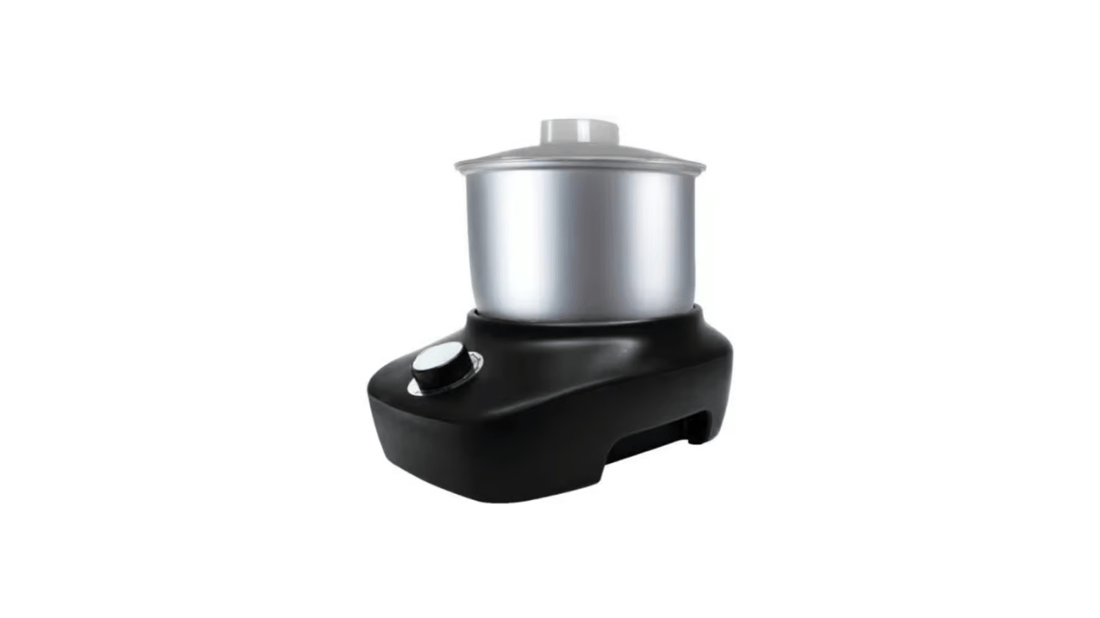
Kitchen blenders are indispensable tools in modern households, designed to simplify food preparation. Whether making smoothies, soups, or sauces, these appliances offer versatility and efficiency. Their powerful motors and sharp blades provide quick and consistent blending, saving time and effort in the kitchen. As one of the most popular kitchen gadgets, kitchen blenders come in various designs and capacities to suit different culinary needs.
Types of Kitchen Blenders
There are several types of kitchen blenders, including countertop blenders, immersion (stick) blenders, and personal single-serve blenders. Countertop blenders are the most common, ideal for large batches of smoothies or purees. Immersion blenders offer portability and are perfect for blending directly in pots or bowls. Personal blenders cater to individual portions, often focusing on portability and ease of use. Each type of kitchen blender serves unique purposes, making it important to choose based on specific cooking habits.
Key Features to Consider in Kitchen Blenders
When selecting a kitchen blender, crucial features include motor power, blade quality, speed settings, and container capacity. Higher wattage motors handle tougher ingredients like ice and nuts with ease. Stainless steel blades ensure durability and efficient blending. Variable speed controls give flexibility for different textures, while container size determines how much can be prepared at once. Additionally, some kitchen blenders include pre-programmed settings for specific tasks such as crushing ice or making smoothies.
Blending Technology and Performance
Advancements in blending technology have enhanced the performance of kitchen blenders. Features like pulse function, tamper tools, and vortex blade design improve blending efficiency and consistency. Some models offer noise reduction technology and enhanced cooling systems that extend the appliance’s lifespan. High-performance kitchen blenders can pulverize tough ingredients to create smooth textures, highlighting their utility beyond basic blending.
Health Benefits of Using Kitchen Blenders
Kitchen blenders promote healthy eating by simplifying the process of incorporating fruits, vegetables, and nuts into daily diets. Homemade smoothies, pureed soups, and sauces retain essential nutrients better than processed alternatives. Blending preserves fiber content and allows for easy digestion and improved nutrient absorption. With kitchen blenders, users can avoid added sugars and preservatives commonly found in store-bought products.
How to Maintain and Clean Kitchen Blenders
Proper maintenance and regular cleaning of kitchen blenders are imperative for their longevity and optimal function. Many models feature dishwasher-safe components, and quick rinsing immediately after use prevents residue buildup. Blade assemblies and seals should be checked periodically to avoid leaks or dullness. Safe cleaning practices not only prolong the life of the blender but also ensure hygiene and food safety.
Popular Brands and Models in the Market
Numerous brands dominate the kitchen blender market, including Vitamix, Ninja, Blendtec, and KitchenAid. Each brand offers distinctive models catering to different user preferences and budgets. Vitamix and Blendtec are renowned for powerful, high-end blenders favored by professional chefs, while Ninja and KitchenAid provide reliable options for everyday use. Understanding brand reputations and model features assists in making informed purchasing decisions.
Energy Efficiency and Kitchen Blenders
Energy consumption is an important consideration for environmentally conscious consumers. Modern kitchen blenders often incorporate energy-efficient motors and standby modes, reducing electricity use without sacrificing performance. Some models are designed to complete blending tasks quickly, minimizing energy waste. Choosing an energy-efficient kitchen blender can contribute to overall household energy savings and sustainability goals.
Innovative Uses of Kitchen Blenders
Beyond traditional applications, kitchen blenders are used innovatively for preparing homemade nut butters, grinding spices, making batters, and even crushing ice for cocktails. Their multifunctionality allows users to experiment with recipes and cooking techniques. Kitchen blenders have become essential for food enthusiasts seeking creative ways to enhance their culinary repertoire easily and efficiently.
Cost Considerations and Budget Options
Kitchen blenders vary widely in price, from affordable entry-level models to premium professional-grade appliances. While high-end blenders offer advanced features and durability, budget-friendly options still provide good performance for everyday use. Evaluating cost versus functionality helps consumers select the best kitchen blender that fits their needs without overspending. Promotions and warranties are also important factors influencing the overall value.
Quote Inquiry
contact us